About the Imperial Palace
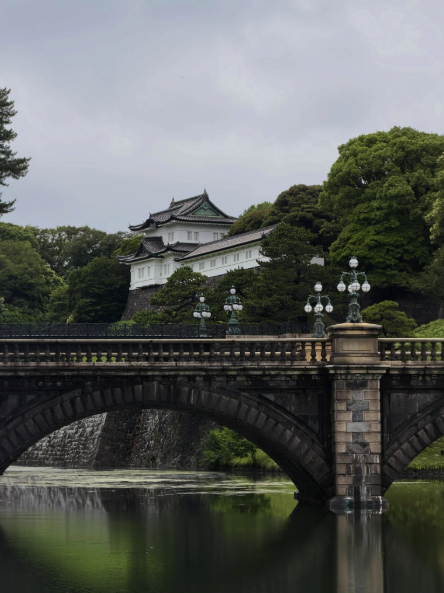
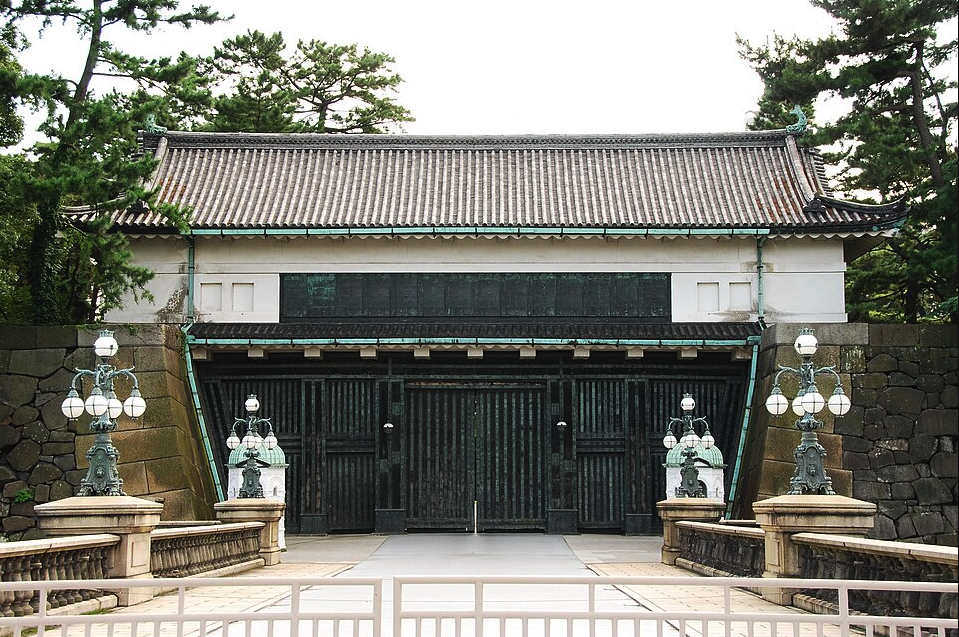
The Imperial Palace in the heart of Tokyo stands on the former grounds of Edo Castle — once the seat of the Tokugawa shogunate that ruled Japan for over 250 years. When Emperor Meiji moved the imperial capital from Kyoto to Tokyo in 1868, the castle grounds became the imperial residence, a role they still hold today.
History
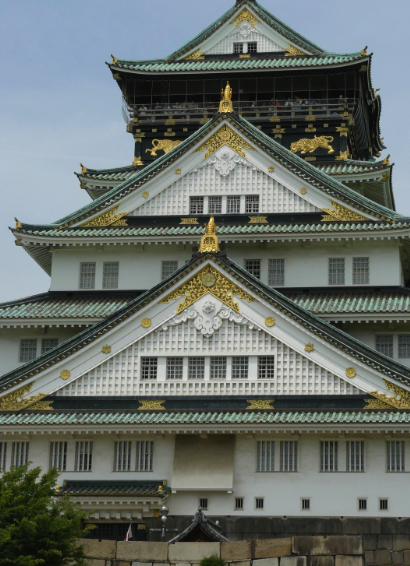
Edo Castle was constructed in 1457 by Ōta Dōkan, a samurai lord, on a strategic hilltop above Tokyo Bay. Under the Tokugawa shoguns from 1603 onward, it became the largest castle complex in the world. The main keep — the Tenshukaku — was destroyed by fire in 1657 and never rebuilt; its stone foundation still stands in the East Garden, one of the most resonant sites on the grounds.
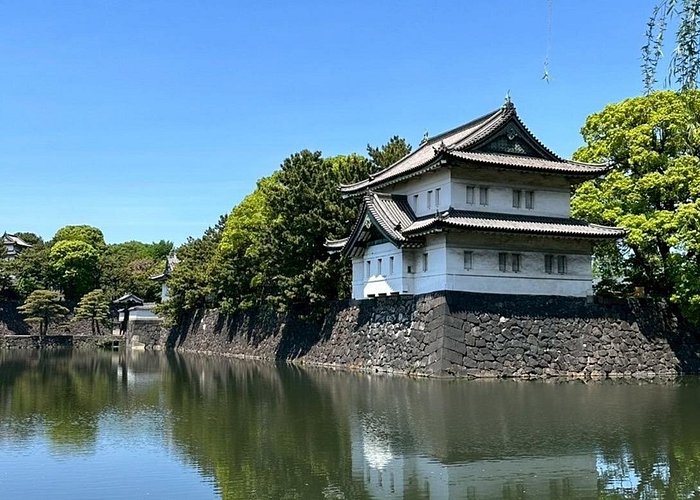
After the Meiji Restoration, the Kyuden (main palace) was built in 1888, destroyed in the Allied air raids of 1945, and replaced by the current structure in 1968. The grounds cover approximately 3.41 square kilometres of central Tokyo — a green oasis encircled by moats, pine trees, and the stone walls of Edo Castle.
What Visitors Can See
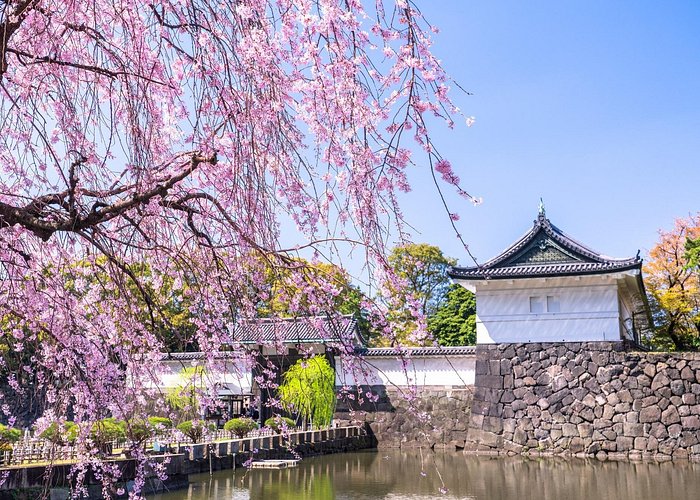
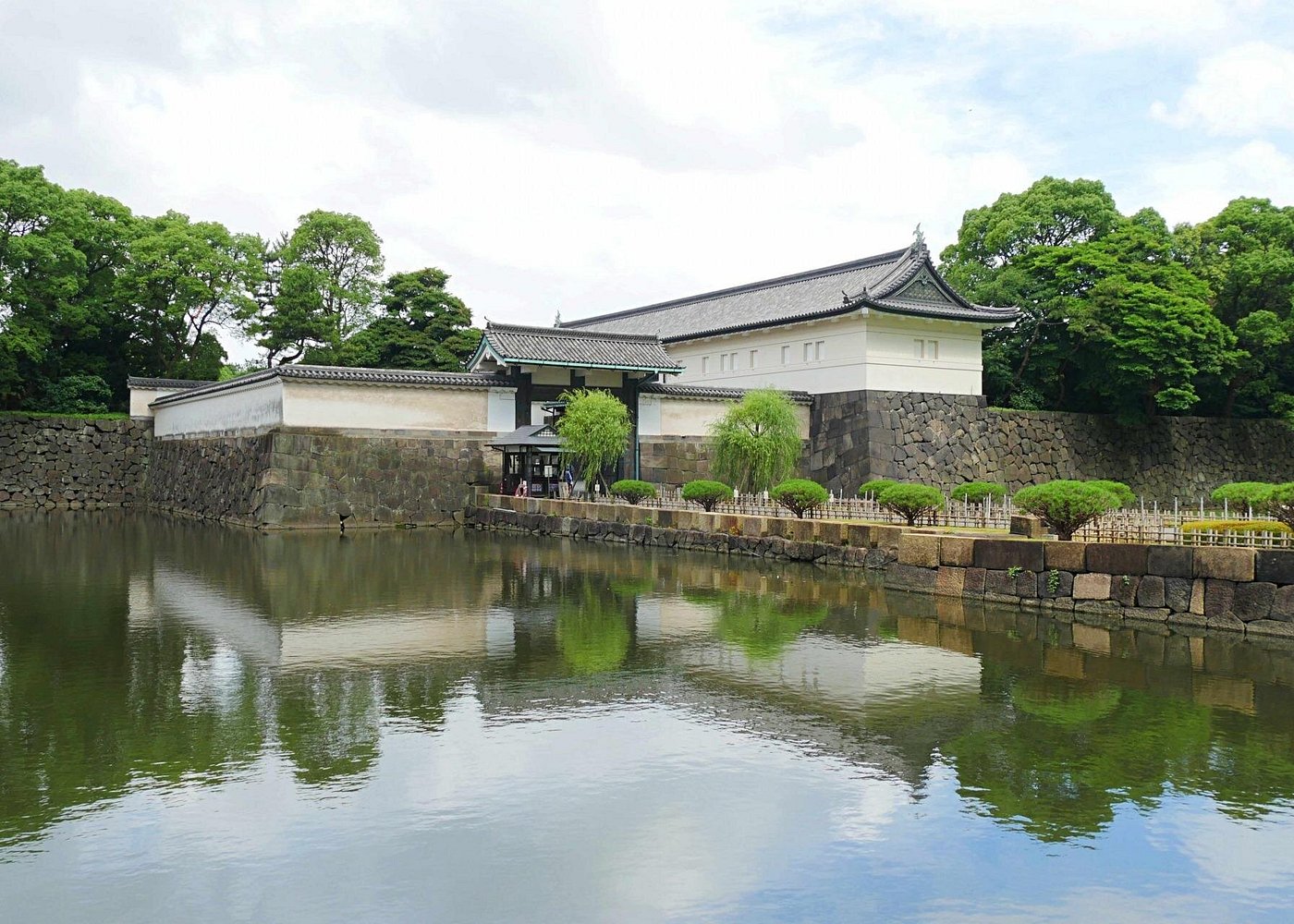
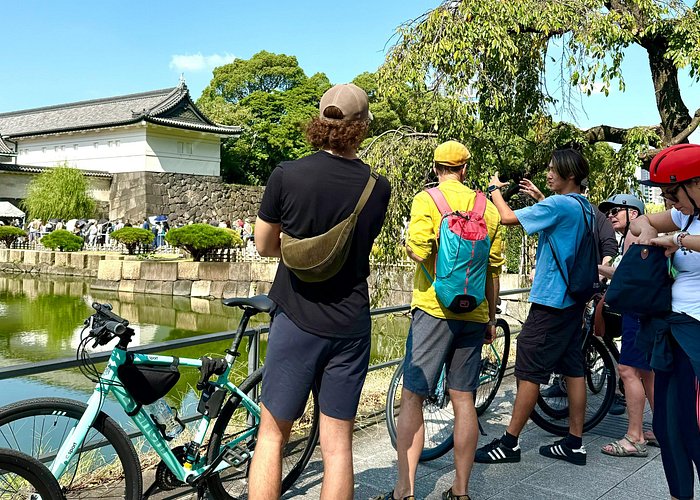
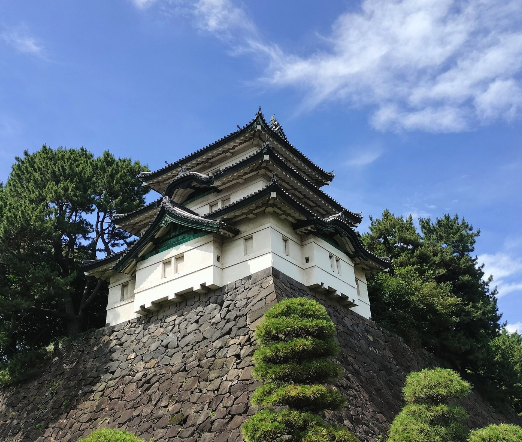
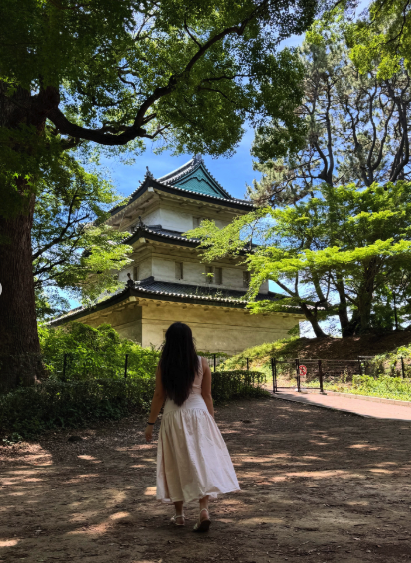
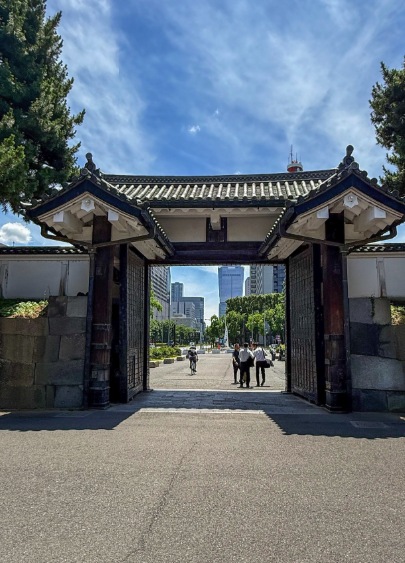
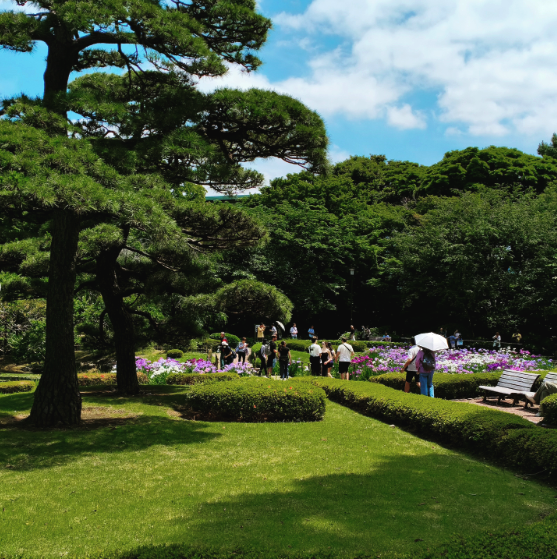
The East Gardens (Kokyo Higashi Gyoen) are the primary public area — free to enter, no booking required, open Tuesday through Sunday. Inside: the ruins of the Tenshukaku Donjon, the Ninomaru Garden, three original Edo-period guardhouses (Doshin-bansho, Hyakunin-bansho, and O-bansho), and the Tokagakudo Concert Hall built in 1966. The surrounding moat and outer gardens — including Chidorigafuchi, especially spectacular during cherry blossom season — are open year-round.
The Imperial Household Agency runs a separate free guided tour of the inner palace grounds twice daily (Tuesday to Saturday, advance reservation required). This 75-minute walk takes you past the Kyuden exterior and administrative buildings, though no interior access is permitted.
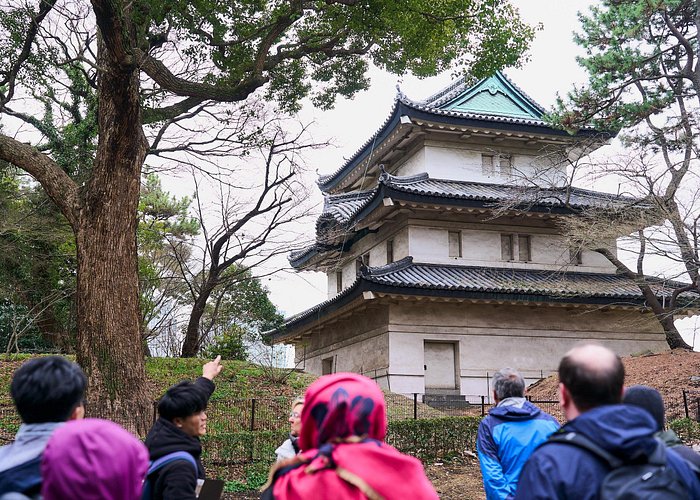
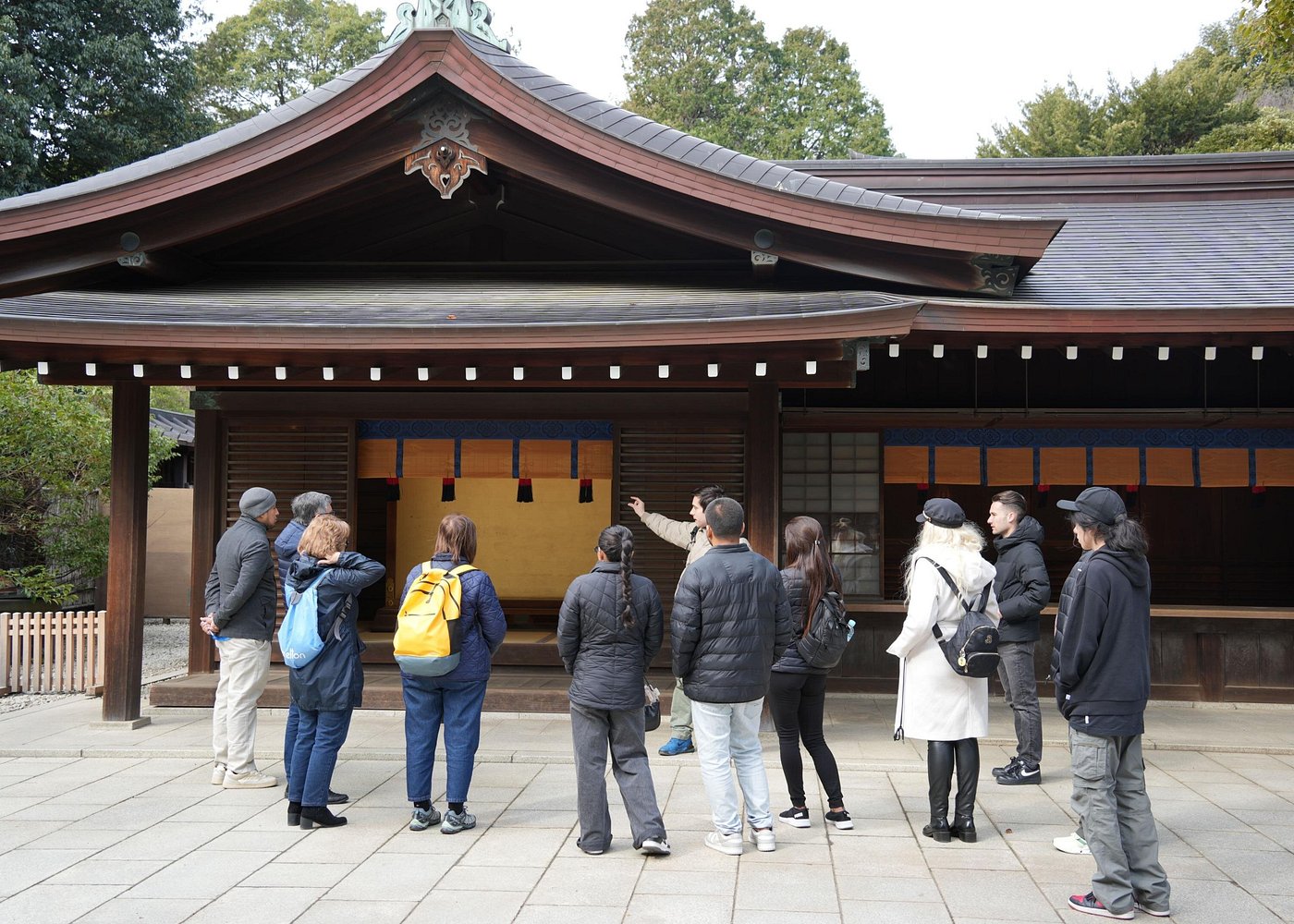
For visitors who want context and commentary, a guided tour of the East Gardens — starting from $16 — provides far more depth than exploring alone. Your guide will decode the guardhouse layout, explain the shogun-to-emperor transition, and point out the photo spots that most visitors walk straight past.
Read the Full History →
 TOP RATED